

Safari Guide to Madagascar
Madagascar is an exceptional safari destination to explore while on self drive safari. It is located off the south eastern coast of Africa in the Indian Ocean. It is also the fourth-largest island in the world ideal for all nature lovers, scientists and adventurers.
The capital city of Madagascar is Antananarivo also referred to as “Tana” with a population of 29 million people. The official language in the country is Malagasy and French. The official currency is Malagasy Ariary (MGA) and best time to visit is during the dry season in the months of April to October.
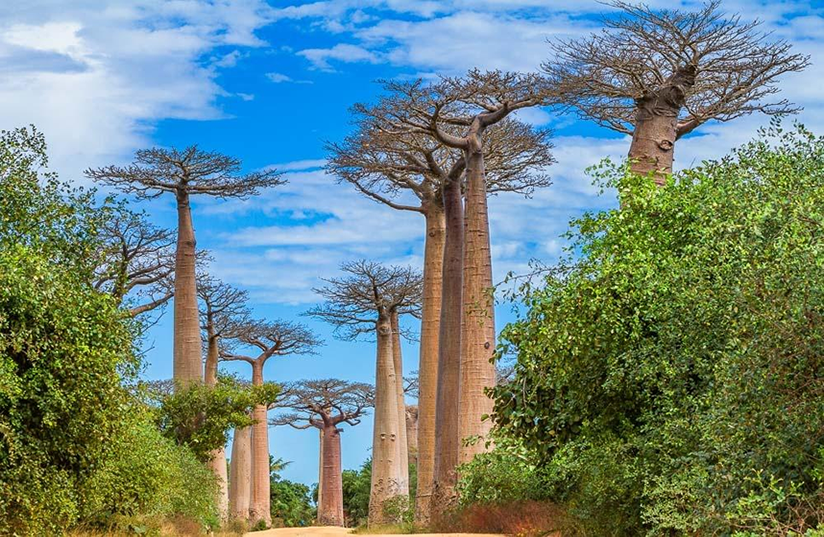
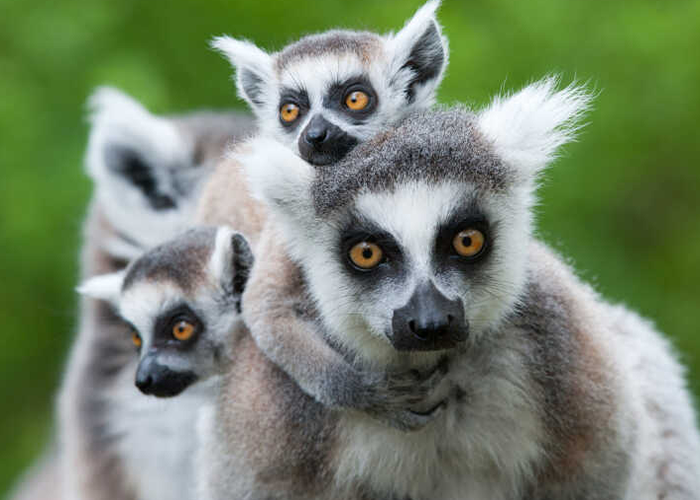
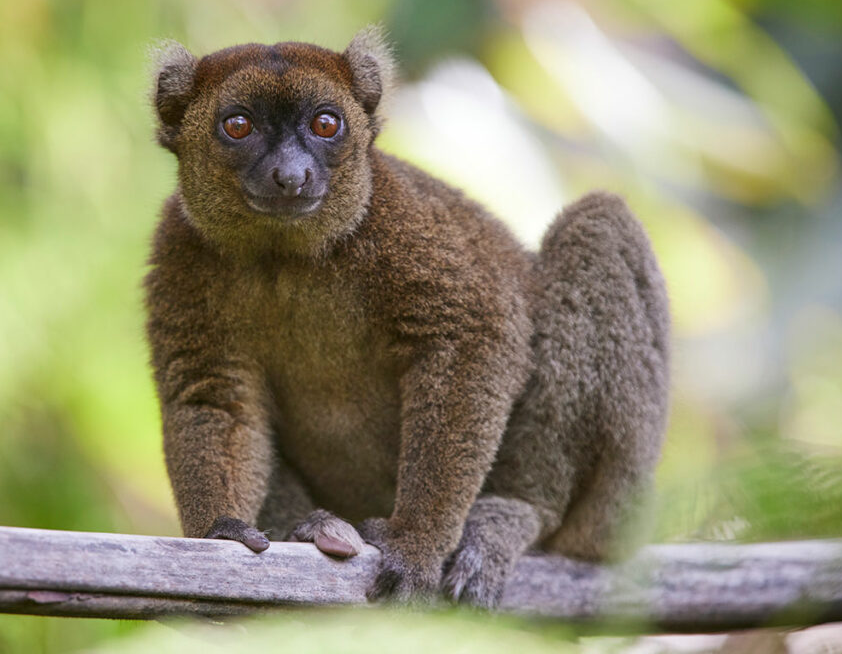
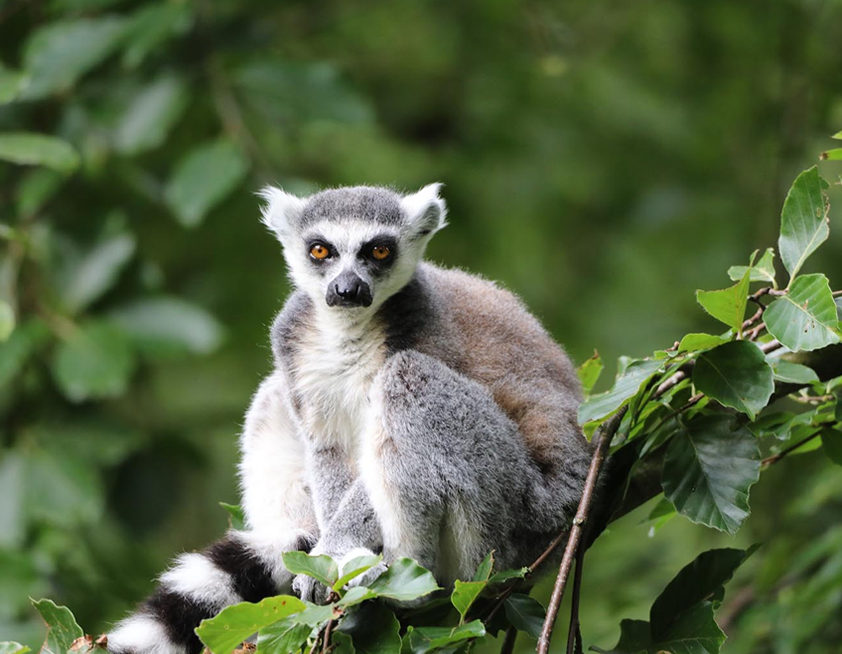
There are various wildlife animals you can watch in the country and these include; over 100 species of Lemurs, Chameleons (world’s smallest and largest), Baobab trees (6 species found only in Madagascar), Fossa (a cat-like predator unique to Madagascar), Exotic frogs, geckos and birds.
There are 113 lemur species in Madagascar and some of these include; the indri, ring‑tailed lemur, sifaka, aye‑aye, mouse lemurs.
Safari Experiences to do
While on self drive safari in Madagascar, engage in various safari experiences as you watch wildlife, the green terrain, plains, lemurs, as you traverse from one point to another while seated in your 4×4 wheel vehicle.
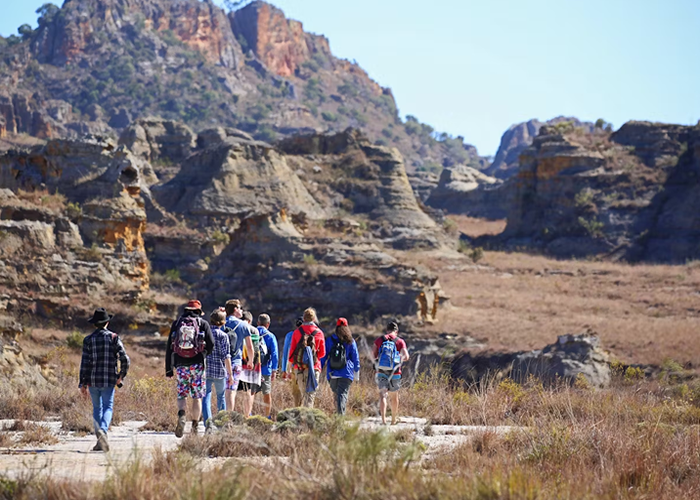
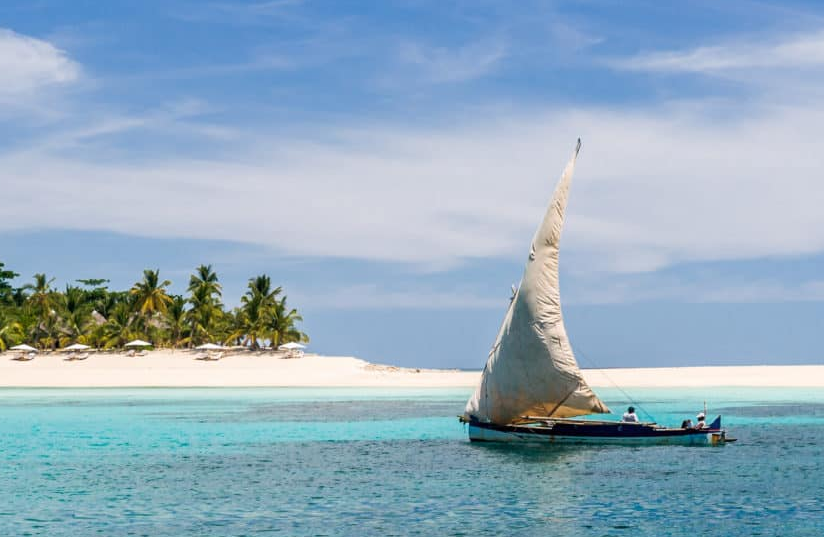
The safari experiences you do include; guided walks through the various safari destinations watching wildlife, baobabs, lemurs, beaches in places like Andasibe‑Mantadia National Park, Ranomafana National Park, Anja Community Reserve, Isalo National Park, Avenue of the Baobabs, Nosy Be & marine zones.
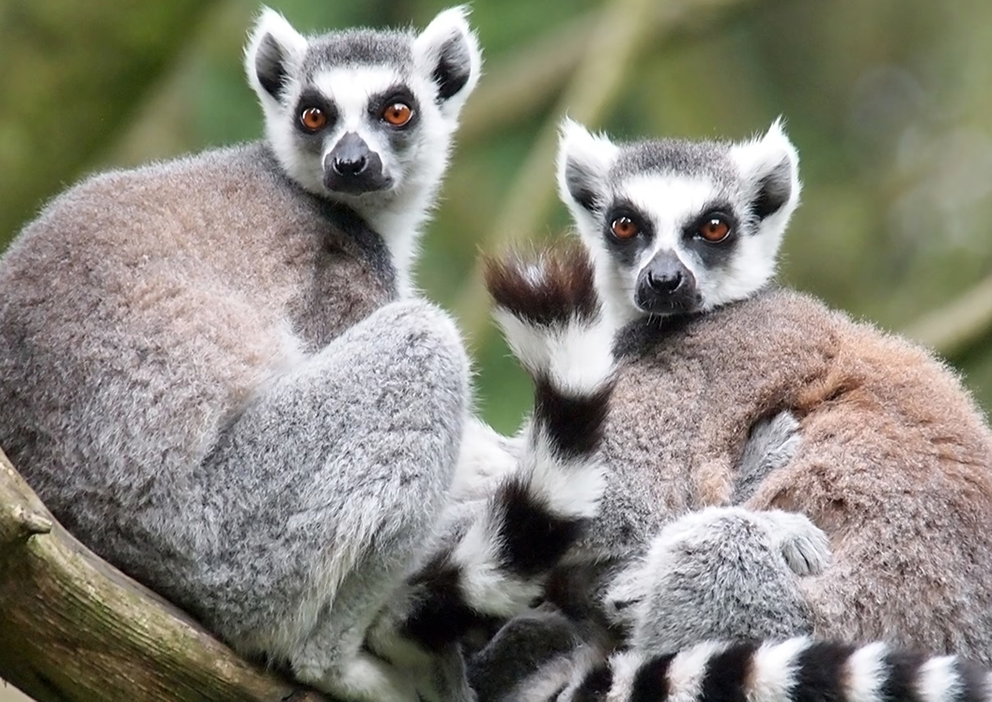
National Parks to explore in Madagascar
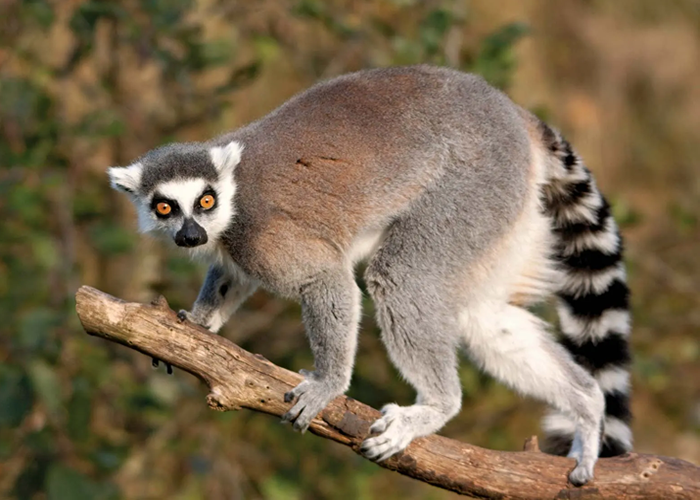
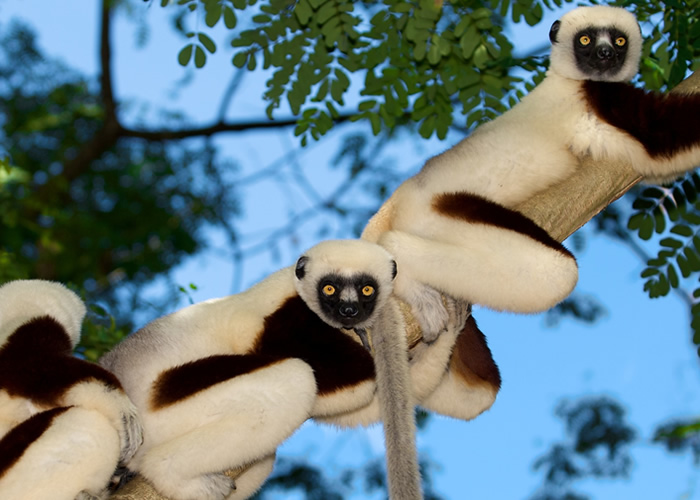
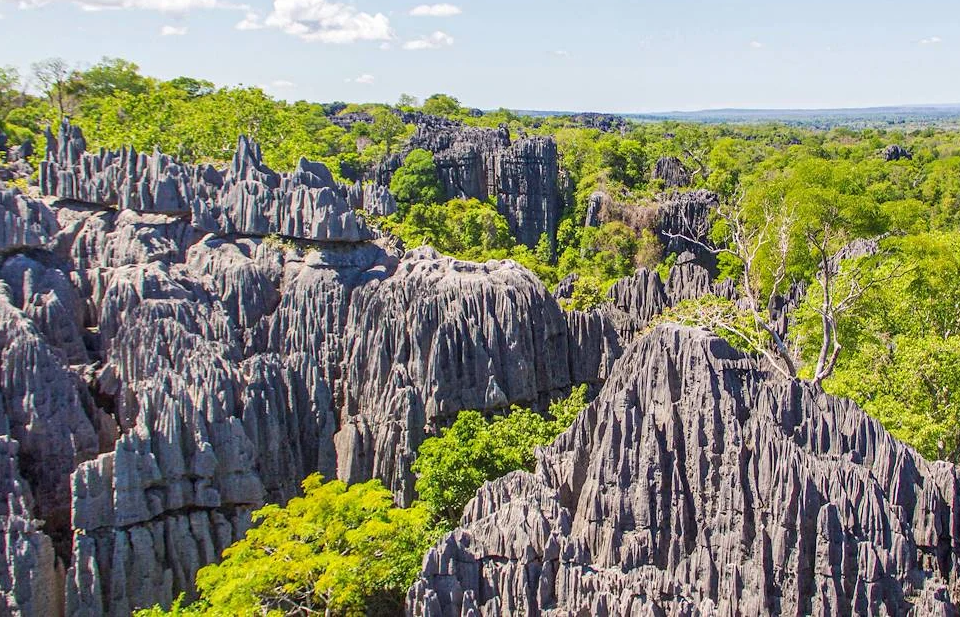
Anja Community Reserve
Nosy Be & marine zones
Avenue of Baobabs
Best Time to Go
Madagascar can be visited anytime around the year although the best time to visit the country is during the dry season in the months of May to October as you shall view various wildlife animals, lemurs and trek along varying trails. The Shoulder season is during the months of April to November and wet season in the months of November to March.
Planning & Practical Tips
Madagascar is beautiful and incredible to explore while on African safari. The island’s road conditions, wildlife habits, and logistics are unique and challenging, so we recommend you prepare prior.
Top Self Drive Safaris in Madagasar
VEHICLE & DRIVING TIPS
Rent the Right Vehicle
While on self drive safari in Madagascar, you should rent the right vehicle to enable you explore the various National Parks as some of them have rough, muddy, un paved roads like Tsingy, Isalo and Ranomafana.
Roads & Navigation
While in Madagascar on self drive safari, we advise you consider the roads and navigation to the various destinations in the park. The country includes Main roads (RN1, RN2, RN7) which are paved but full of potholes, Secondary roads which ae poor/impassable during the rainy season.
While on safari, avoid night driving as you may encounter animals traversing the road, poor lighting, and some other obstacles.
Carry Offline Maps
While on self drive safari in Madagascar, you should use offline maps to enable you get to the destinations of your dreams. Consider using apps like Maps.me and Gaia GPS as these operate ideally in distant regions.
Major Routes & Itinerary Planning
While on self drive safari in Madagascar, we recommend you follow the major routes to enable you get to the desired safari destinations where you watch wildlife, lemurs, bird species and reptiles. The popular self drive safari routes in Madagascar are;
- RN7 (Tana – Antsirabe – Ranomafana – Isalo – Toliara)
This is the best developed scenic route with national parks, villages, and towns. - Tana to Andasibe (RN2) – Short, forest-focused trip for lemurs.
- Tana to Morondava – Baobabs and Tsingy which requires advanced driving skills (RN34/35)
National Parks & Safari Experience
While on self drive safari in Madagascar, you are not allowed to drive within the National parks but rather are required to transfer from one point to another on guided walks with local guides who are hired at the park entrances.
They shall lead you on treks watching various wildlife animals and lemurs. The Peak season for the safaris is during the months of July to October.
Regulations to follow on the Guided Walks
- Stick to trails and follow local guide instructions
- Keep a safe distance and never feed wildlife .
- Night walks in forests reveal nocturnal species—led by guides .
- Use Cameras that have no flash
- Loud noises or sudden movements are not allowed in the parks
- Turn your phone sounds off and speak quietly during sightings
- Carry out all trash, including biodegradable waste like fruit peels or tissues.
- Smoking/ open flames are not allowed in forested areas due to fire risk.